


Transcranial Magnetic Stimulation (TMS) & SPRAVATO®
Integrated Collaborative Healthcare
At Denova, we want to provide our patients with the most innovative and up-to-date care, which includes interventional psychiatric practices. Treatments such as Transcranial Magnetic Stimulation (TMS) and SPRAVATO® (Esketamine) often become a viable option when medication and therapy do not provide patients with sufficient relief from mental health conditions.
Our integrated healthcare model brings together psychiatry, primary care, and therapy to create the most effective outcomes possible for medication-resistant patients participating in interventional psychiatry.
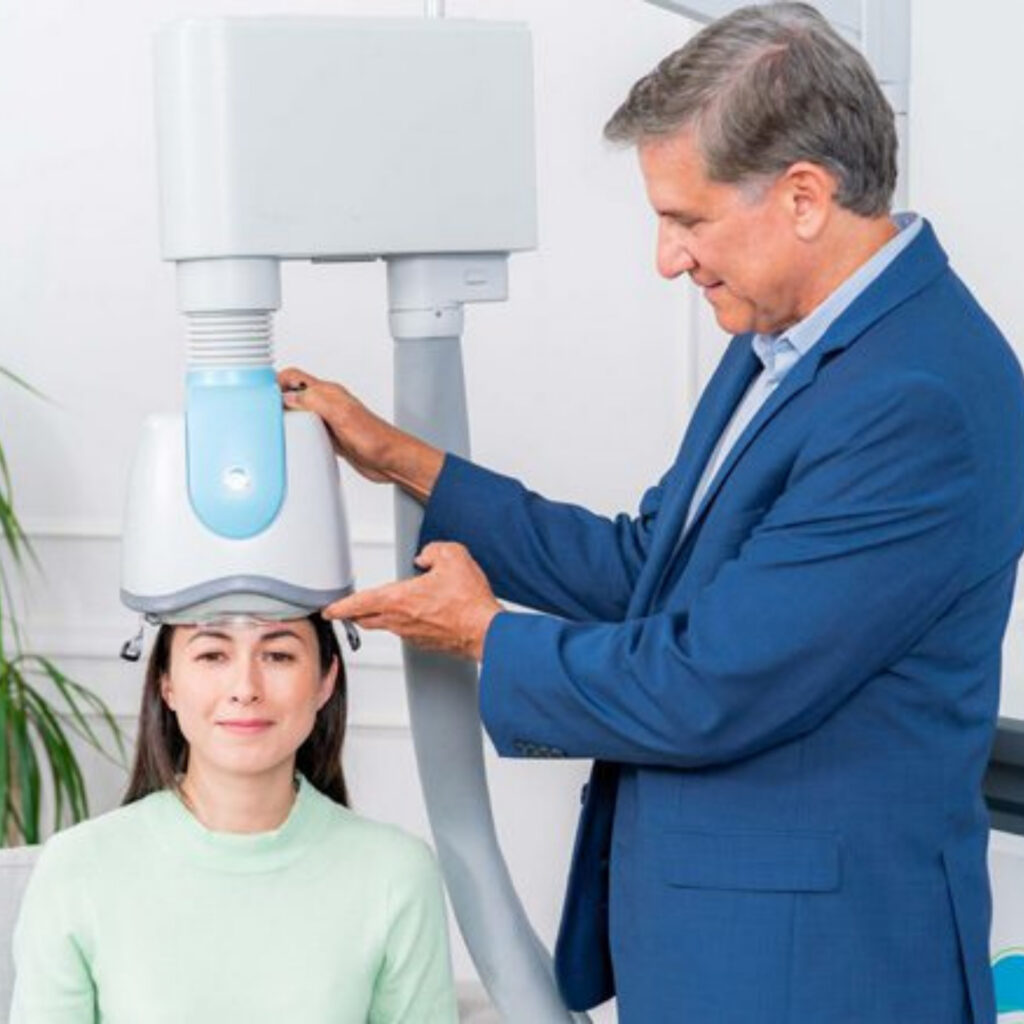
Transcranial Magnetic Stimulation (TMS)
This non-invasive, FDA-approved brain stimulation therapy uses magnetic pulses to stimulate nerve cells in regions of the brain associated with mood regulation. Pain-free magnetic pulses are delivered through a specialized helmet placed on the patient’s head.
SPRAVATO® (Esketamine)
This treatment is administered as a nasal spray, exclusively under healthcare provider supervision in an FDA-approved (REMS) setting. Unlike traditional antidepressants that work on serotonin, norepinephrine, or dopamine, SPRAVATO® acts on glutamate, a chemical messenger in the brain that is thought to regulate depression.

What Does the Treatment Process Look Like?
Once you have expressed interest in SPRAVATO® or TMS, you will be contacted by a Denova patient care coordinator. The coordinator will check your insurance and ask you to share a brief description of your medical history. Once your information has been collected, you will be scheduled for a thorough evaluation with a Denova provider.
You will meet with a Denova psychiatric provider to further determine whether SPRAVATO® or TMS is right for you. The evaluation will focus on your mental health.
Your Denova primary care provider will ask a series of questions related to your personal health, lifestyle, medication list, and family medical history. They will carefully determine the risks, benefits, and efficacy of your potential SPRAVATO® or TMS treatment.
Once you have been approved for treatment by both primary care and psychiatric providers, the patient care team will review your evaluations and schedule your treatment sessions based on your providers’ recommendations.
On average, SPRAVATO® patients return for treatment twice a week for the first four weeks and once a week thereafter. TMS requires 20 sessions across four weeks. This typically looks like five 20-minute treatments per week, followed by 10-16 treatments throughout the next eight weeks.
Current studies show that interventional psychiatric treatments, such as SPRAVATO® and TMS, can be even more effective when paired with talk therapy soon after treatment. Denova therapists are trained to support you during your treatment journey. You can learn more about therapy at Denova at Denova.com/Mental-Health-Therapy
Denova's Integrated Care Model

Primary Care
Before beginning TMS or SPRAVATO®, each patient will work with one of our primary care providers to assess the risks and benefits of interventional psychiatric treatment on their physical health.
Therapy
Interventional psychiatric treatment can be even more effective when followed by talk therapy. A select group of our therapists are specially trained to assist patients in their journeys with TMS or SPRAVATO®.
Psychiatry
Bella Vista Clinic
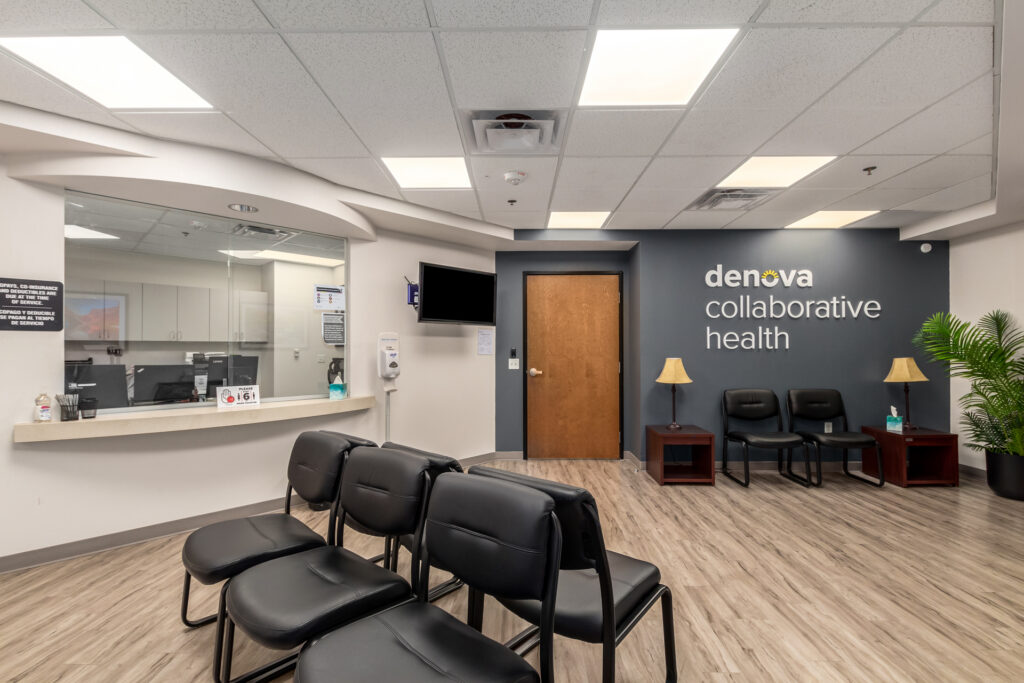
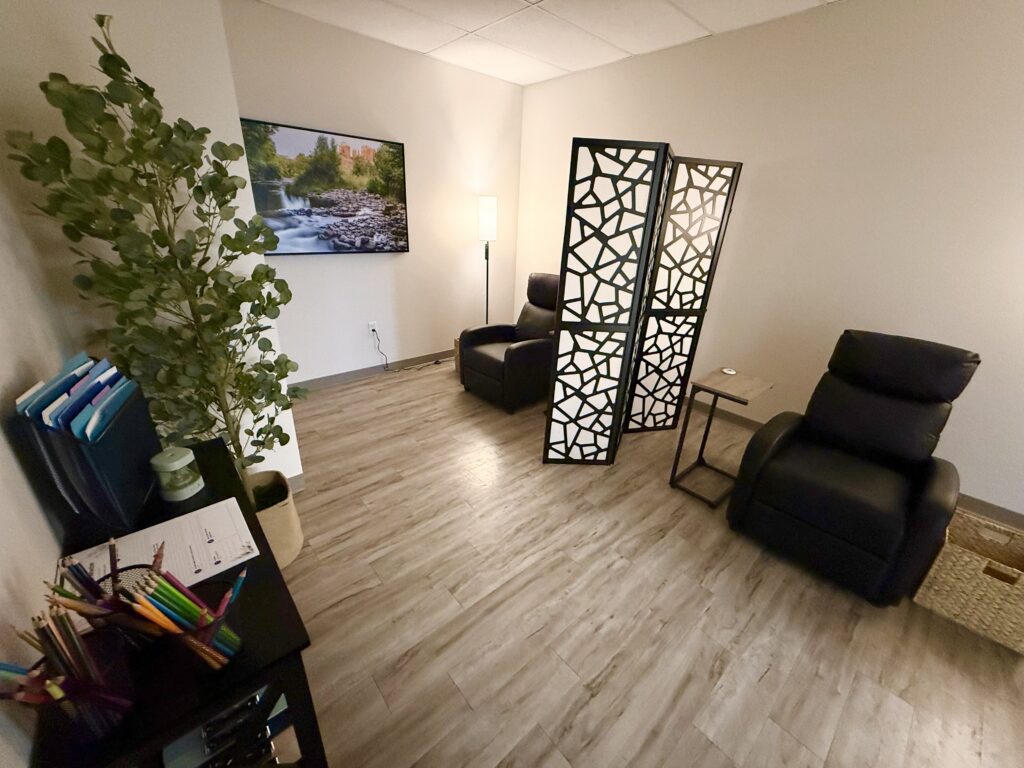

Peoria Clinic
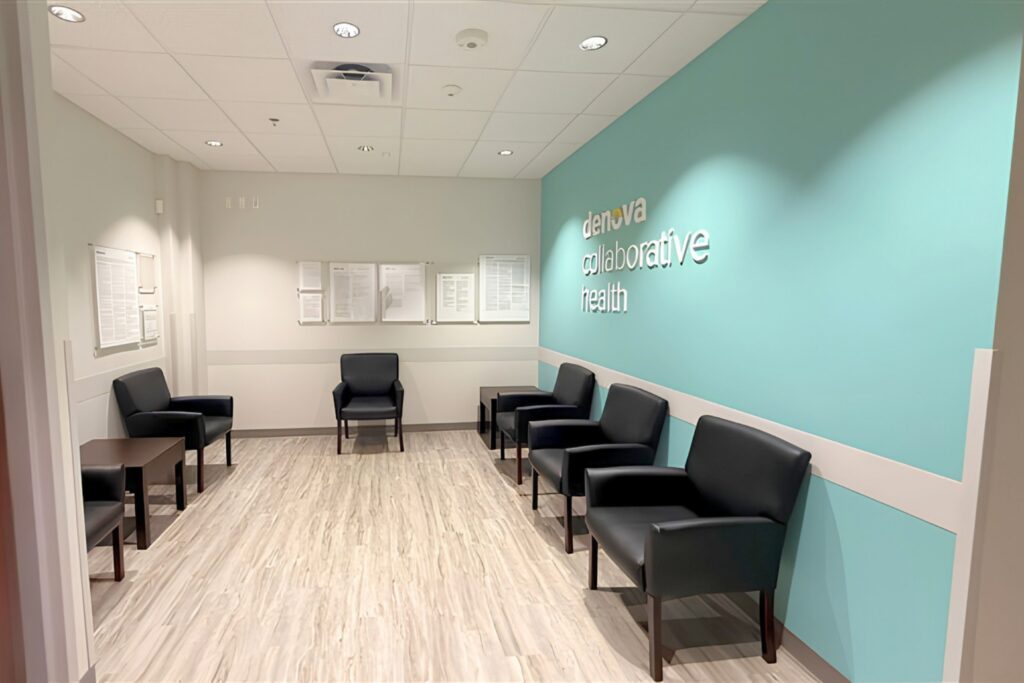
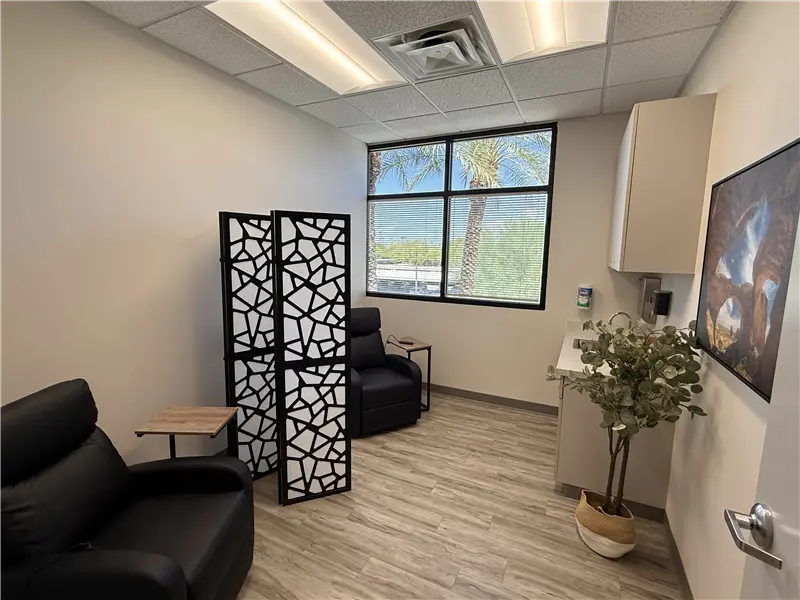
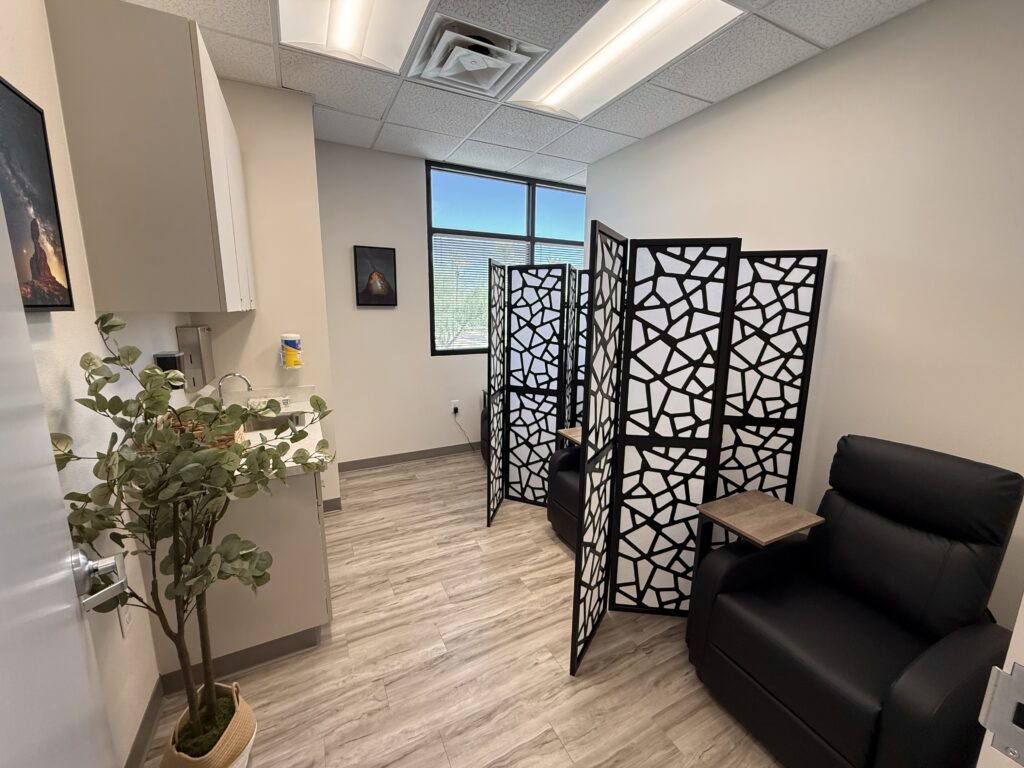
Tucson Clinic (San Rafael) - Coming Soon!
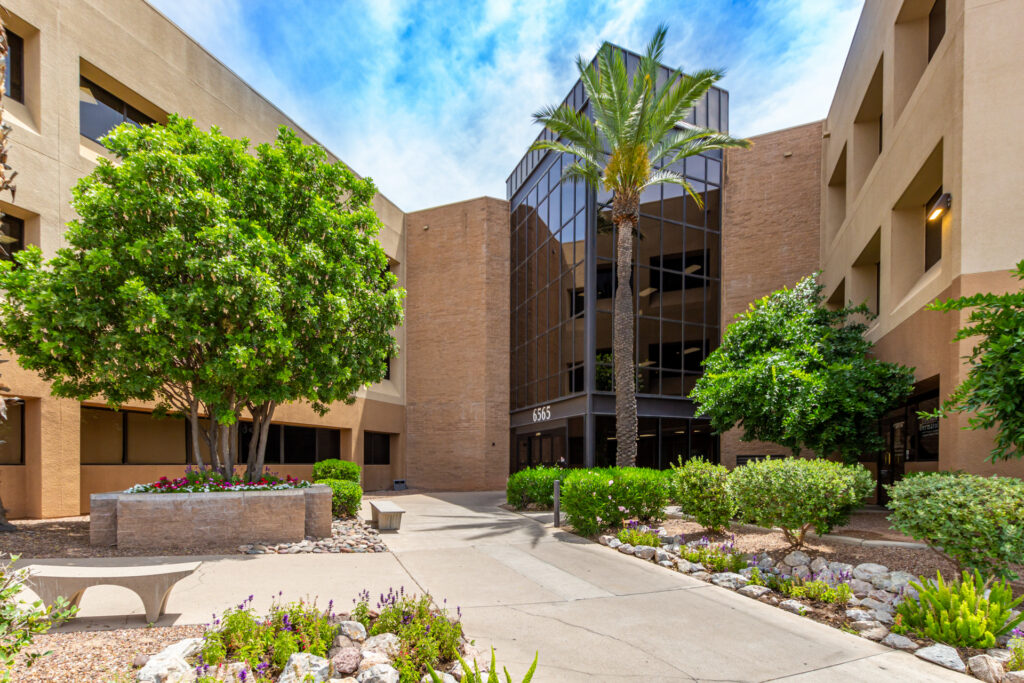
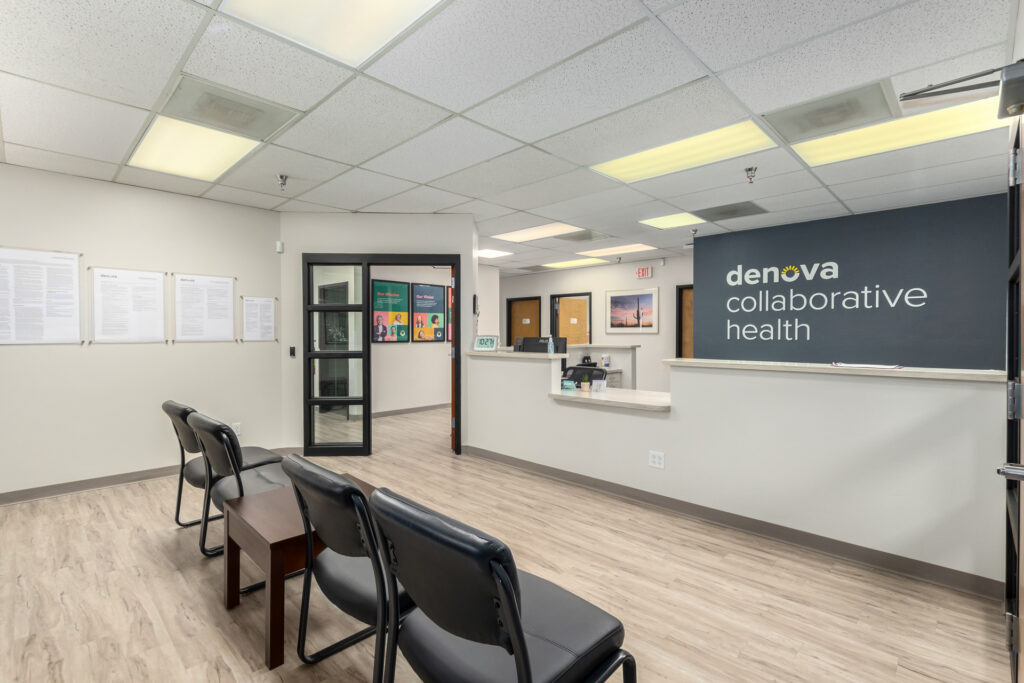
Patient Resources
Frequently Asked Questions
SPRAVATO® is for use alone or in combination with an oral antidepressant for:
- Adults with treatment-resistant depression (MDD patients who have had an inadequate response to 2 or more oral ADs)
SPRAVATO® is for use in combination with an oral antidepressant for:
- Depressive symptoms in adults with MDD with acute suicidal ideation or behavior (MDSI)
In TRD, the new open-label oral AD initiated during Study 1 (short-term) was an SSRI in 32% of patients and an SNRI in 68% of patients.
In MDSI trials for adults with MDSI, all patients received comprehensive standard-of-care treatment, including an initial inpatient hospitalization and a newly initiated or optimized oral AD therapy as determined by the investigator.
SSRI=selective serotonin reuptake inhibitor.
SNRI=serotonin and norepinephrine reuptake inhibitor.
No, under the REMS, SPRAVATO® must be administered in a certified healthcare setting. Due to the possibility of delayed or prolonged sedation or dissociation in some cases, patients should be monitored by a healthcare provider for at least 2 hours following each treatment session, or until the clinician determines the patient is safe to leave. SPRAVATO® is also administered under REMS due to the potential for abuse and misuse. Patients must be monitored for signs and symptoms of abuse and misuse.
SPRAVATO® may impair ability to drive or operate machinery. Patients should not engage in potentially hazardous activities requiring complete mental alertness and motor coordination, such as driving a motor vehicle or operating machinery, until the next day after a restful sleep.
SPRAVATO® (esketamine) nasal spray is the S-enantiomer of racemic ketamine. SPRAVATO® is an FDA-approved nasal spray for treatment resistant depression (TRD) and major depressive disorder (MDD) with acute suicidal ideation or behavior (MDSI). Ketamine has not been approved by the FDA to treat depression. There are no head-to-head studies comparing esketamine and ketamine infusion. Both SPRAVATO® and ketamine are Schedule III controlled substances under the U.S. Controlled Substances Act.
TMS treatment is normally spread out over four-to-six weeks. During this time, patients come in for sessions five times per week and each of these sessions last about 20 minutes. Depending on the mental health condition being treated, there may be additional maintenance sessions after the initial course of treatment.
Typically, patients hear a tapping sound and feel a tapping sensation in the head area during TMS therapy session. To diminish the sound, the patient is provided with earplugs. Some patients experience temporary, mild pain or discomfort in the area of the treatment site, which occurs during the treatment session. This typically occurs only during the first week of treatment. Other side effects may include muscle twitching and jaw pain.
TMS treatment is safe to combine with any sort of medication or psychotherapy. TMS is both noninvasive and found to be effective in treating a variety of mental health conditions, in combination with other forms of therapy or as a standalone treatment.
Make an Appointment
In-person and video visits with expert doctors and clinicians are available.